
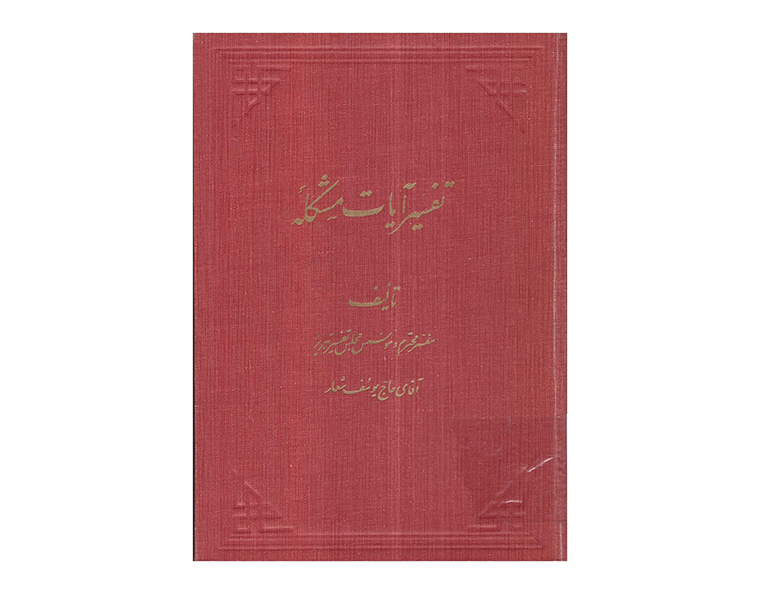
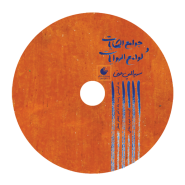
PDF تفسیر آیات مشکله
تفسیر قرآن، پس از پیدایش اسلام تا کنون، به دو صورت انجام میشد: تفسیر تمام قرآن، و یا به شکل دوم تفسیر آیاتی از قرآن و تفاسیر موضوعی. این کتاب همانند «متشابهات القرآن» و «المحکم و المتشابه»، به تفسیر برخی آیات مشکل و محل نزاع، و تفسیری صحیح از اصول دیانت و احکام انسانی پرداخته است. کتاب شامل مباحث کلی، راهنمای مدخل، و 125 موضوع از 27 سوره است. اما اهمیت کتاب از این جهت است که نویسندة آن یک روشنفکر در زمانة رواج خرافات و بدعتهای اجتماعیِ پدیدآمده در سایة استعمار و استبداد دینی است.
تفسیر قرآن، پس از پیدایش اسلام تا کنون، به دو صورت انجام میشد: تفسیر تمام قرآن، و یا به شکل دوم تفسیر آیاتی از قرآن و تفاسیر موضوعی. این کتاب همانند «متشابهات القرآن» و «المحکم و المتشابه»، به تفسیر برخی آیات مشکل و محل نزاع، و تفسیری صحیح از اصول دیانت و احکام انسانی پرداخته است. کتاب شامل مباحث کلی، راهنمای مدخل، و 125 موضوع از 27 سوره است. اما اهمیت کتاب از این جهت است که نویسندة آن یک روشنفکر در زمانة رواج خرافات و بدعتهای اجتماعیِ پدیدآمده در سایة استعمار و استبداد دینی است.
یوسف شعار، بنا بر آنچه فرزند ارشدش زنده یاد دکتر جعفر شعار، در « یادنامهی استاد حاج میرزا یوسف شعار، نشرِ مجلس تفسیر قرآن، تهران. 1352 شمارهی ثبت کتابخانهی ملی 92- 29/1/13652» نوشته است، “… بعد از فراگیری زبان فارسی و عربی در مدرسهی اتحاد تبریز، در مدرسهی علوم دینی طالبیه و جعفریه، در محضر شیخ غلامحسین تبریزی، علوم دینی و قرآن و تفسیر را آموخته و همواره از تألیفات و کتابهای میرزا محمود دوزدوزانی، سیدکاظم شریعتمداری و شیخ جواد بلاغی بهره جسته است. سایر تألیفات شادروان یوسف شعار عبارتند از : « رسالهی محکمات و متشابهات قرآن »، « مقدمات تفسیر »، « تفسیر سورهی جمعه و منافقون »، که با روشنگری و تشکیل کلاس های درس تفسیر قرآن از سال 1304 در تبریز و 1340 در تهران، همراه بوده و 48 سال تلاش بی وقفه در راه تعلیم قرآن به شمار است.”
استاد یوسف شعار، پس از چندی که از تدریس قرآن در مساجد منع میشود، لباس طلاب دینی را از تن به در آورده، و در سال 1304 مجلس تفسیر تبریز را بنیان مینهد. وی نه تنها مفسر قرآن بود، بلکه تحولی در تفکر نوین اجتماعی و زدودن خرافات و اندیشههای دوگم آفریده بود، که با مخالفت مرتجعین مذهبی و لاشخوران بورژوازی کهنه پرست، که از نادانی مردم در چپاول ثروتهای ملی استفاده می کردند، مواجه شد. گرچه این کتاب تفسیری از قرآن است، اما به گونهای از آفرینش و حقوق آدمی سخن میگوید که هر دانشپژوهی را به تحسین وامیدارد، و نیز از پیشینة مفاهیم اجتماعی و سیاسی در محافل درس و بحث های خصوصی برخوردار است. استاد در مقام مذهبی مخالف حکومت مسلمانان و ملایان تحت عنوان اسلام و با عنوان شیعه یا هر مرام دیگری بود. وی برای اجماع دینی و رفع اختلافات مذهبی پیشگام بود، و دین را واحد میشمرد و از تفرقه دوری میگزید. وی در مقام اجتماعی نیز با خرافات و جهل و نادانی مبارزه میکرد و آموزشهای او مبتنی بر دانش و خرد بود، و دانشآموختگان خود را به استقلال در اندیشه و تفکر در موضوعات اجتماعی و قوانین جامعه به دور از تعصبات مذهبی فرامیخواند. در تایید این نکته همین بس که در مجالس درس او، از بزرگان مترقی مذهبی، روشنفکران آن روزگار، سرانِ جبهه و فراکسیونهای ملی، سازمانها و احزاب، مجلس شورا و انجمنهای مردم نهاد، و از همه قشری حضور داشتند.
“Interpretation of the problematic verses”
By: Professor Yusof Shoār
Interpretation of the Qur’an, after the birth of Islam until now, was done in two ways: the interpretation of the entire Qur’an, or the second form of interpretation of verses from the Qur’an and thematic interpretations. This book, like the Al-Qur’an, Al-Muhakam, va Al-Mutashabeh, has given an interpretation of some difficult and conflicting verses, and a correct interpretation of the principles of religion and human rules. The book contains general topics, entry guide, and 125 topics from 27 surahs. But the importance of the book is due to the fact that its author is an intellectual in the era of superstitions and social heresies that emerged under the shadow of colonialism and religious tyranny.
Yusof Shoār, according to what his eldest son, Dr. Jafar Shoār, remembers in “The Memoir of Professor Haj Mirza Yusof Shoār”, published by Majlis Tafsir Qur’an, Tehran, 1973, National Library registration number 92-29/1/13652″ he wrote, “…after learning Persian and Arabic in Tabriz’s Union School, in Talibiyah and Jafariyah Schools of Religious Sciences, in the presence of Sheikh Gholam Hossein Tabrizi, religious sciences and Quran and has learned commentary and has always benefited from the works and books of Mirza Mahmoud Duzdozani, Seyyed Kazem Shariatmadari and Sheikh Javad Balaghi. Other works of Shadarvan Yusof Shoār are: “Tafsir of Qur’anic Courts and Similarities”, “Preliminaries of Tafsir”, “Tafsir of Surah Juma” and “Monafekun”, which has been associated with enlightenment and the formation of Qur’an interpretation classes since 1925, in Tabriz and 1961, in Tehran, and it is 48 years of continuous effort in the way of teaching the Qur’an.
Master Yusof Shoār, after being banned from teaching the Qur’an in mosques, took off the clothes of religious students, and in 1925, he founded Majlis Tafsir Tabriz. He was not only an interpreter of the Qur’an, but also created a revolution in modern social thinking and the removal of superstitions and dogmatic ideas, which faced the opposition of religious reactionaries and old-fashioned bourgeois scavengers, who used people’s ignorance to plunder national wealth. Although this book is a commentary on the Qur’an, it talks about creation and human rights in a way that inspires the admiration of any scholar, and also has a background of social and political concepts in study circles and private discussions. In his religious position, the professor was against the rule of Muslims and Mullahs under the title of Islam and under the title of Shia or any other creed. He was a pioneer for religious consensus and resolving religious differences, and considered religion as one and avoided division. In his social position, he also fought against superstitions, ignorance, and ignorance, and his teachings were based on knowledge and wisdom, and he called his graduates to independence in thinking and thinking about social issues and society’s laws, away from religious prejudices. It is enough to confirm this point that religious progressive elders, intellectuals of that time, leaders of fronts and national factions, organizations and parties, Parlement of Iran “Majlis Shuray e Melli” and non-governmental associations, and from all walks of life were present in his lectures.
| ویژگی های کتاب | ||||||||||||||||
|---|---|---|---|---|---|---|---|---|---|---|---|---|---|---|---|---|
|
||||||||||||||||
.فقط مشتریانی که این محصول را خریداری کرده اند و وارد سیستم شده اند میتوانند برای این محصول دیدگاه(نظر) ارسال کنند.
هیچ پرسشی یافت نشد
برای ثبت پرسش، لازم است ابتدا وارد حساب کاربری خود شوید

نقد و بررسیها0
هنوز بررسیای ثبت نشده است.