
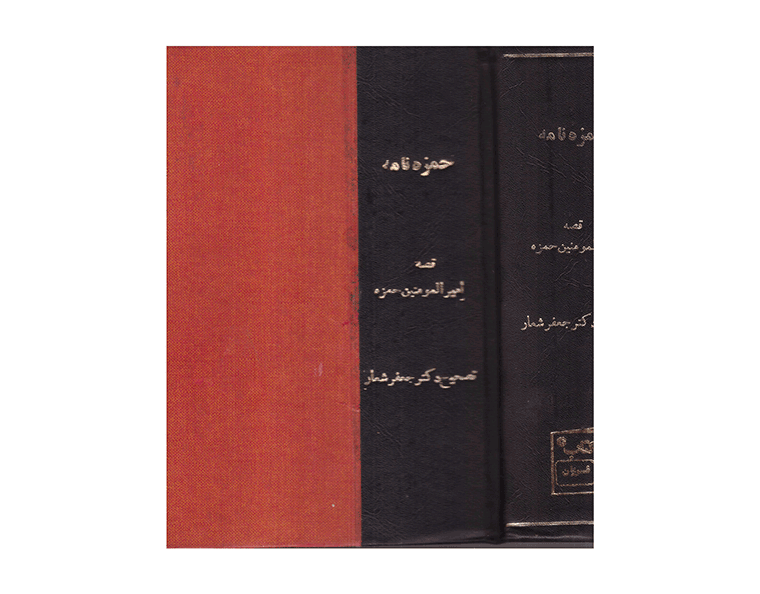
PDF حمزه نامه «قصهی امیرالمؤمنین حمزه، رضی الله عنه»
حمزهنامه آمیزهای از حقیقت و افسانه با نثری روان، داستانی پهلوانی و با ریشههای مذهبی است. این کتاب در شبه جزیرهی هند تألیف یافته و متأثر از آداب و سنن آن دیار است. نامهای خاص هندی در آن بکار رفته و از واقعیّت تاریخی به دور است. نویسندهی داستان به بهره برداری از نام حمزة بن عبدالمطلّب، عمومی پیامبر گرامی و برخی صحابه و نیز برخی از پادشاهان و وزرای ایرانی داستانی حماسی مهیّج پرداخته و در پارهای از داستانها مشابهت زیادی با ماجراهای شاهنامهی فردوسی دارد و نیز از قصص انبیاء سود برده است.
حمزهنامه آمیزهای از حقیقت و افسانه با نثری روان، داستانی پهلوانی و با ریشههای مذهبی است. این کتاب در شبه جزیرهی هند تألیف یافته و متأثر از آداب و سنن آن دیار است. نامهای خاص هندی در آن بکار رفته و از واقعیّت تاریخی به دور است. نویسندهی داستان به بهره برداری از نام حمزة بن عبدالمطلّب، عمومی پیامبر گرامی و برخی صحابه و نیز برخی از پادشاهان و وزرای ایرانی داستانی حماسی مهیّج پرداخته و در پارهای از داستانها مشابهت زیادی با ماجراهای شاهنامهی فردوسی دارد و نیز از قصص انبیاء سود برده است. نویسندهی داستان شناخته نشده، امّا به اعتقاد دکتر ذبیح الله صفا نوشتن آن به دستور حمزة بن عبدالله خارجی که در نواحی شرقی ایران حکومت تشکیل داده بود انجام گرفته.
نثر کتاب، چنانکه اشاره شد، نا هماهنگ است. امّا بیشتر صبغهی سبک قدیم دارد و در آن لغات اصیل فارسی دیده میشود. راوی در توصیف صحنهی جنگ یا وصف طبیعت اندکی با تکلّف نوشته ولی به هر حال زیبا و دل انگیز است.
این کتاب به نامهای دیگر «رموز حمزه» و «حمزه نامه» نیز مشهور است و در زمان اکبرشاه گردآوری گردیده و مشتمل بر 69 داستان است.
نسخههای عکسی کتاب ناخوانا و از لحاظ نوشتاری پر از غلطهای فاحش میباشد که تصحیح آن را با مشکل بسیار روبرو ساخته. درمجموعهي مقالات كتاب حاضر، روشنگري مصحح از مقالهي مجلهي«يغما» درج شده و شرح مختصري از آقاي دكتر ذوالفقاري در مورد سبك حمزه نامه، نيز آورده شده است.
Hamza Nameh
“The Story of Amir al-Mu’minin Hamza, may God be pleased with him”
Author: unknown
Correction and explanation: Jafar Shoār
book introduction
Hamza Nameh is a mixture of truth and legend with flowing prose, a heroic story with religious roots. This book was written in the Indian peninsula and is influenced by the customs and traditions of that country. Specific Indian names are used in it and it is far from the historical reality. The author of the story has used the name of Hamza bin Abdul Mutallab, the name of the beloved Prophet and some of his companions, as well as some Iranian kings and ministers, to create an exciting epic story, and in some of the stories, it is very similar to the adventures of Ferdowsi’s Shahnameh, and he has also benefited from the stories of the prophets. The author of the story is not known, but according to Dr. Zabihullah Safa, it was written by the order of Hamza bin Abdallah al-Khari, who had established a government in the eastern regions of Iran.
The prose of the book, as mentioned, is inconsistent. But it mostly has the color of the old style and authentic Persian words can be seen in it. The narrator has written a little difficultly in describing the war scene or describing the nature, but it is still beautiful and heartwarming.
This book is also known as “Hamze Code” and “Hamze Nameh” and it was compiled during the time of Akbar Shah and contains 69 stories.
Photographic versions of the book are illegible and full of gross mistakes in terms of writing, which made it very difficult to correct. In the collection of articles in this book, the correct clarification from the article of “Yaghma” magazine is included, and a brief description by Dr. Zulfiqari about the style of Hamza Namah is also given.
| ویژگی های کتاب | ||||||||||||
|---|---|---|---|---|---|---|---|---|---|---|---|---|
|
||||||||||||
.فقط مشتریانی که این محصول را خریداری کرده اند و وارد سیستم شده اند میتوانند برای این محصول دیدگاه(نظر) ارسال کنند.
هیچ پرسشی یافت نشد
برای ثبت پرسش، لازم است ابتدا وارد حساب کاربری خود شوید


نقد و بررسیها0
هنوز بررسیای ثبت نشده است.