
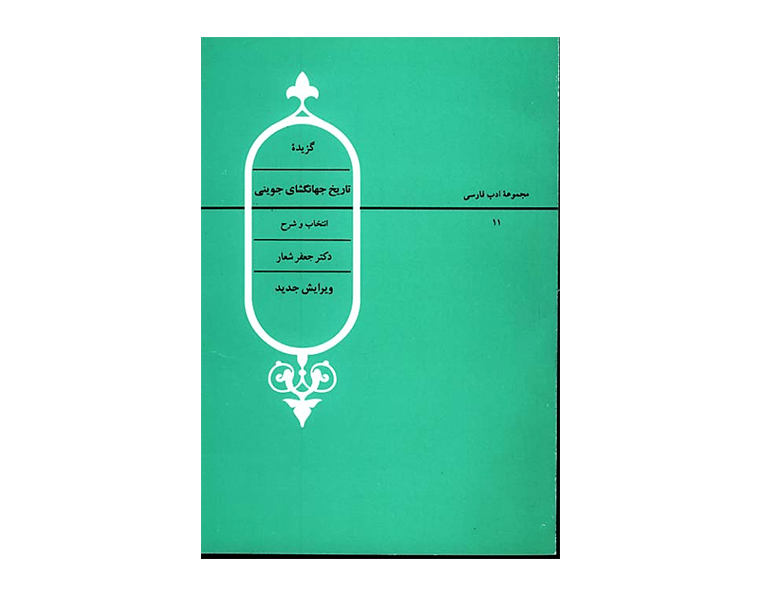
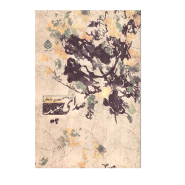
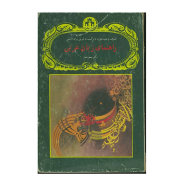
گزیدهی تاریخ جهانگشای جوینی (چاپ 1368)Gozide – ye Tarikh e Jahān- Gushā
گزیدهی تاریخ جهانگشای جوینی، عطا ملک بن بهاءالدّین محمّد جُوینی، 604- 661 خورشیدی
انتخاب و شرحِ دکتر جعفر شعار
تاریخ ایران، عصر ایلخانان مغول، و خوارزمشاهیان و اسماعیلیان، کتابی با ارزش ادبی، و ادبیات تاریخی.
معرفی اثر:
گزیدهی تاریخ جهانگشای جوینی، عطا ملک بن بهاءالدّین محمّد جُوینی، 604- 661 خورشیدی
انتخاب و شرحِ دکتر جعفر شعار
تاریخ ایران، عصر ایلخانان مغول، و خوارزمشاهیان و اسماعیلیان، کتابی با ارزش ادبی، و ادبیات تاریخی.
قرن هفتم هجری شاهد یکی از فتنههای جانگزا و ویرانگر جهان بشرّیت یعنی فتنهی مغول بود. در سال 602 هـ.ق. چنگیز (549-624 هـ.ق) مؤسّس سلسلة مغولان با دولت سلطان محمد خوارزمشاه مجاور شد، و به بهانهی قتل بازرگانان مغول به خوارزم لشکر کشید و در عرض چند سال شهرها را تصرف کرد و مردم را قتل عام نمود. آثار تمدن را به آتش کشید و پس از 4 سال به مغولستان بازگشت. دانشمندان و شعرا و هنرمندان از عرضهی دانش و هنر بازماندند، ولی در این میان موّرخان بزرگی چون رشیدالدّین فضل الله و عطا ملک جوینی آثار گرانبهایی پروردند و بجای گذاشتند، که «جهانگشای جوینی» به لحاظ ادبیات غنی و نثر روان، و نیز به لحاظ وقایع نگاری از معتبرترین مآخذ به شمار میرود.
وقایع تاریخی کتاب به سال 655 منتهی میشود و بخش بزرگ جهانگشا در تاریخ چنگیز و اعقاب اوست، امّا تاریخ خوارزمشاهیان و اسماعیلیان را نیز در بر دارد. جوینی خود، صاحب دیوان و دولتمرد است، و افکار او طبعاً مایههای اصلی کتاب را میسازد. و تنها به وقایع نگاری نپرداخته، بلکه در طرز حکومت، آداب و رسوم، قوانین، روابط اجتماعی مردم، و سنّتهای عجیب جامعه از جمله بدشگون دانستن تصرّف مال مردگان، یاساهای چنگیز و آداب شکار؛ نیز مطالبی آورده است.
این کتاب را با آن که «گزیده» است، میتوان «پژوهشی» دانست در تاریخ جهانگشا، با شرح دشواریهای آن اعم از واژگان، عبارات و ابیات، و درجِ دیدگاهها، شامل قصیدهی سعدی در ستایش عطا ملک جوینی، مقالهها و یادداشتهای نویسندگانِ عربزبان و سریانی، خاورشناسان و پژوهشگران معاصر. کتابنامه نیز بسان همهی آثار «مجموعهی ادب فارسی» در پایان گزیده آمده است.
چاپ و نشر بنیاد: چاپ اول 1368، 313 صفحه
نشر قطره: چاپ اول1384، 326 صفحه، چاپ 12 سال 1393
Introduction of the work
The 7th century of Hijri was the witness of one of the most dangerous and destructive seditions of the human world, the Mongol sedition. In 1226 Genghis (1226-1154), the founder of the Mongol dynasty, became close to the government of Sultan Muhammad Khwarazmshah, and marched to Khwarazm under the pretext of killing Mongol merchants, and within a few years, captured the cities and massacred the people. He burned the monuments of civilization and returned to Mongolia after 4 years. Scientists, poets, and artists refrained from presenting knowledge and art, but in the meantime, great historians such as Rashid al-Din Fadlullah and Atta Malik Jovini produced and left precious works, which “Jovini’s pioneer” in terms of rich literature and fluent prose, and also in terms of Chronicles are among the most reliable sources.
The historical events of the book end in 1257, and a large part of Jahangasha is in the history of Genghis and his successors, but it also includes the history of the Khwarezm Shahs and the Ismailis. Jovini himself is the owner of the Diwan and the statesman, and his thoughts naturally form the main topics of the book. And not only on chronicles, but also on the way of government, customs, laws, social relations of the people, and strange traditions of the society, including considering the possession of the dead’s property as bad omen, Genghis’s rituals and hunting customs; has also brought some material.
With the fact that this book is a “selection”, it can be considered a “research” in the history of Jahangasha, with the description of its difficulties, including words, phrases and verses, and the inclusion of views, including Saadi’s ode in praise of Atta Malek Juvini, essays and notes by Arabic writers. and Siriani, orientalists and contemporary researchers. The bibliography, like all the works of “Collection of Persian Literature”, is included at the end.
Editional Board:
Jaʻfar Sheʻār, Hassan Anvari
Literary Institute of Dr. Sheār: www.drshoar.com
| ویژگی های کتاب | ||||||||||||||||
|---|---|---|---|---|---|---|---|---|---|---|---|---|---|---|---|---|
|
||||||||||||||||
.فقط مشتریانی که این محصول را خریداری کرده اند و وارد سیستم شده اند میتوانند برای این محصول دیدگاه(نظر) ارسال کنند.
هیچ پرسشی یافت نشد
برای ثبت پرسش، لازم است ابتدا وارد حساب کاربری خود شوید
نقد و بررسیها0
هنوز بررسیای ثبت نشده است.