-
کتاب صوتی برگزیده سندبادنامه50,000 تومان
جمع جزء: 50,000 تومان
جمع جزء: 50,000 تومان
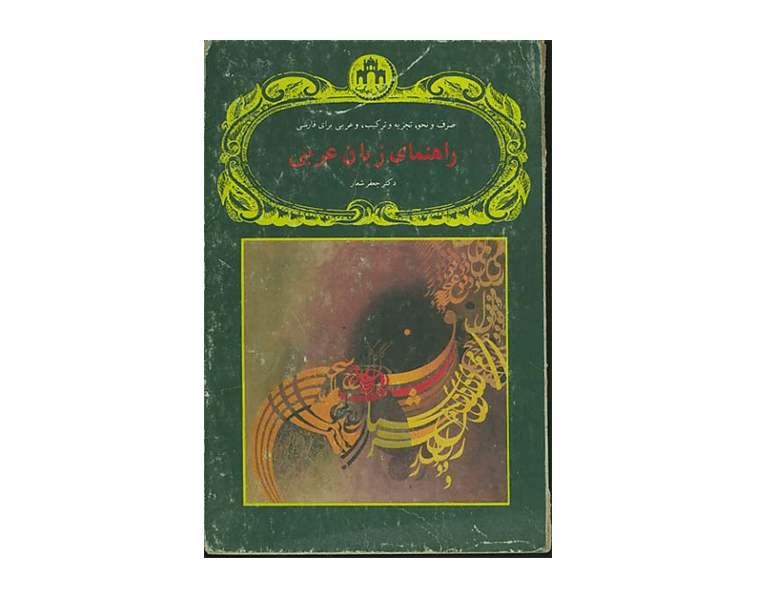
راهنمای عربی از سال 1332 توسط جعفر شعار و مصطفی شعار برای دورههای دبیرستانی، سال اول تا ششم ادبی تهیه و تدوین گردید، که به تصویب وزارت فرهنگ رسیده بود. در سال 1337 به نام «راهنمای زبان عربی» بعدها به عناوین دیگر از جمله «صرف و نحو عربی» ارائه شد.
معرفی اثر:
راهنمای عربی از سال 1332 توسط جعفر شعار و مصطفی شعار برای دورههای دبیرستانی، سال اول تا ششم ادبی تهیه و تدوین گردید، که به تصویب وزارت فرهنگ رسیده بود. در سال 1337 به نام «راهنمای زبان عربی» بعدها به عناوین دیگر از جمله «صرف و نحو عربی» ارائه شد. در سال 1345، جزوهی «عربی برای فارسی» به آن الحاق گردید، و با نام راهنمای زبان عربی ارائه شد.
راهنمای زبان عربی، آموزش زبان عربی است برای فارسی زبانان؛ شامل قواعد صرف و نحو و تجزیه و ترکیب.این کتاب قواعد عربی را با عباراتی ساده و آسان، و با ملاحظهی اصول زبان فارسی که خواننده بدان آشناست، یاد میدهد. همچنین به عنوان مثال، از بحث در علل غیر متصّرف بودن کلمهی «اشیاء» صرف نظر شده و به شیوهی زبانهای خارجی در این گونه موارد به استثنا قائل میشود.
با توجه به موفقیت تاریخی و آمیختگی زبان فارسی و عربی، آموزش عربی، حسب سابقهی ذهنی خواننده برای عبارات فارسی و فراگیری آیات قرآن و معانی «عبارات عربی بکار گرفته شده در فارسی»، تدوین شده است. زیرا زبان عربی علیرغم اهمیت آن در ایران، از اهمیت زبانهای بین المللی مثل انگلیسی و فرانسه برخوردار نیست و بدین جهت نیز بر اساس زبان محاورهای نوشته نشده است.
نیز برای تکمیل مقال، فرهنگ کوچکی به عنوان «کلمات و اصطلاحات عربی در کاربرد زبان فارسی» با بهره گیری از فرهنگ معین به کتاب افزوده شده.
Introduction of the work:
The” Arabic guide” was prepared and edited by Jafar Sheār and Mustafa Sheār since 1953 for high school courses, first to sixth year of literature, which was approved by the Ministry of Culture. In 1958, under the name “Arabic Language Guide”, it was later presented under other titles such as “Arabic Phrase and Syntax”. In 1966, the pamphlet “Araby for Farsi” was added to it, and it was presented under the name of Arabic Language Guide.
“Arabic language guide” is Arabic language training for Persian speakers; It includes the rules of grammar, syntax, parsing and composition. This book teaches Arabic rules in simple and easy terms, taking into account the principles of the Persian language that the reader is familiar with. Also, for example, the discussion on the causes of non-possession of the word “objects” is omitted and exceptions are made in such cases in the manner of foreign languages.
Due to the historical success and fusion of Persian and Arabic languages, Arabic education has been compiled according to the reader’s mental background for Persian phrases and the acquisition of Quranic verses and the meanings of “Arabic phrases used in Persian”. Because the Arabic language, despite its importance in Iran, does not have the importance of international languages such as English and French, and therefore it is not written based on a colloquial language.
Also, to complete the article, a small dictionary has been added to the book as “Arabic words and expressions in the use of Persian language” using a specific dictionary.
| ویژگی های کتاب | ||||||||||||||
|---|---|---|---|---|---|---|---|---|---|---|---|---|---|---|
|
||||||||||||||
.فقط مشتریانی که این محصول را خریداری کرده اند و وارد سیستم شده اند میتوانند برای این محصول دیدگاه(نظر) ارسال کنند.
برای ثبت پرسش، لازم است ابتدا وارد حساب کاربری خود شوید


نقد و بررسیها0
هنوز بررسیای ثبت نشده است.